
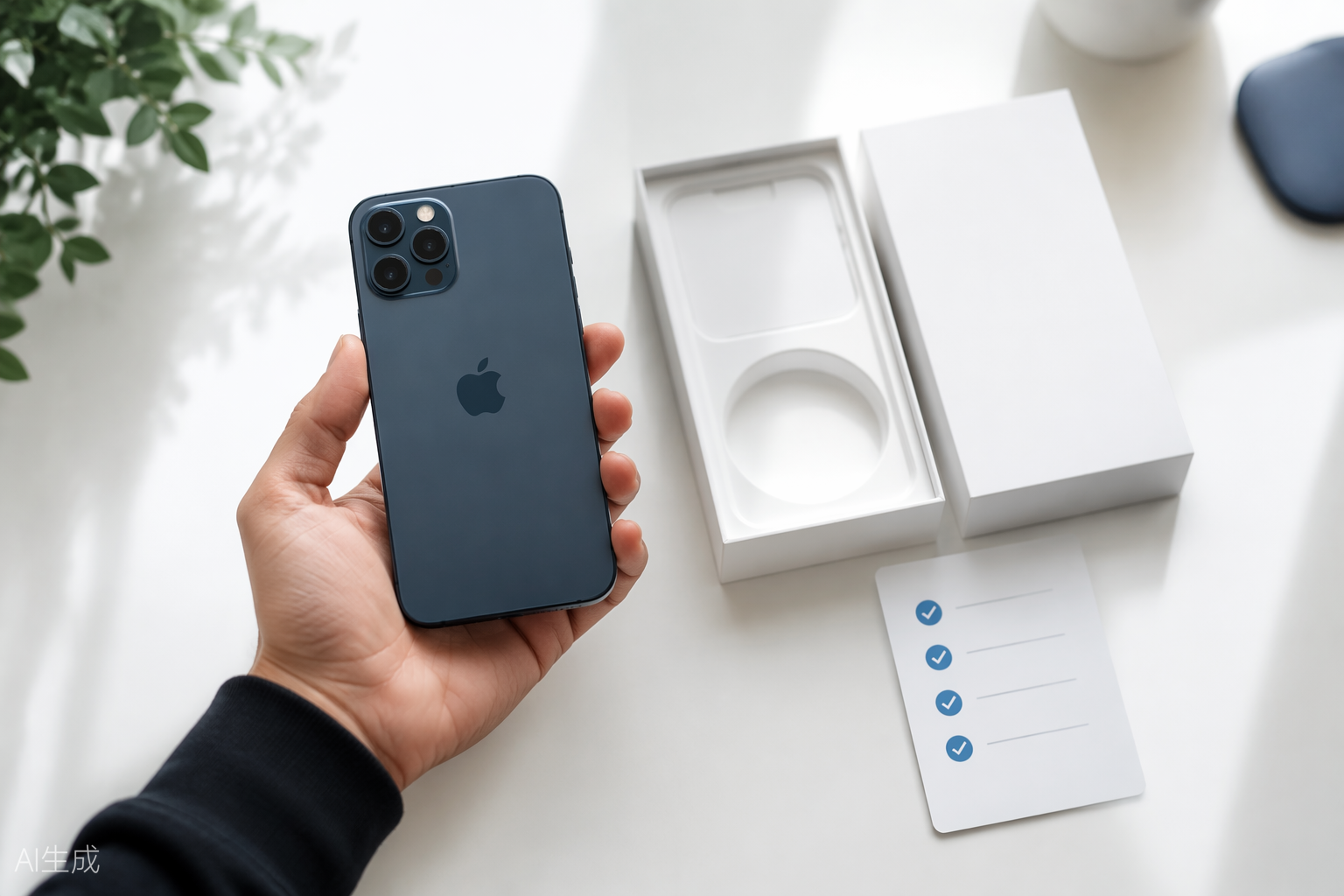
A good refurbished phone is the smartest buy in tech: flagship hardware at 60–70% of the price. A bad one is a paperweight with a return address that stops answering email. After certifying thousands of devices, here is the checklist we would give our own families.
1. Understand the grades
Grading is about cosmetics, not function. Grade A means indistinguishable from new at arm’s length. Grade B allows light micro-scratches you will stop noticing in a day — and usually saves another 10–15%. Anything below B should be priced accordingly. If a seller does not state a grade, that is your answer.
2. Battery health is non-negotiable
Ask for the number. Anything below 85% means you are buying a phone that needs an immediate battery service. The best refurbishers — us included — simply fit a new cell, so you start at 100%. A vague “battery tested” claim without a percentage is a red flag.
3. Demand a real testing process
A proper certification covers dozens of checkpoints: every camera, every microphone, Face ID or fingerprint, charging, sensors, screen uniformity, water-resistance seals. Our own standard is a 54-point inspection, and any reputable seller should be able to describe theirs in similar detail.
4. The warranty is the product
This is what you are actually paying a refurbisher for. Thirty days is the legal minimum in many places and it is not enough — board-level faults often surface in month two or three. Look for at least 90 days; a full year, which we include on every device, is the gold standard.
5. Check what is in the box
Unlocked for all carriers, not blacklisted, no activation lock, and accessories that are actually usable. A phone tied to the previous owner’s account is worthless no matter how shiny it is.
Do these five checks and refurbished stops being a gamble and becomes what it should be: the same phone, with a smarter price tag and a warranty behind it.